Welcome: Jiangsu Hongjing Metal technology Co.,Ltd







yolanda@hongjingmetal.com +86-15358997067
Most bearing noise and wear problems are caused by insufficient daily maintenance.
Timely lubrication renewal, dust cleaning, sealing replacement and running parameter adjustment can effectively reduce friction wear and abnormal noise.
Long-term standardized maintenance keeps bearings in optimal operating condition and prolongs overall equipment service life.
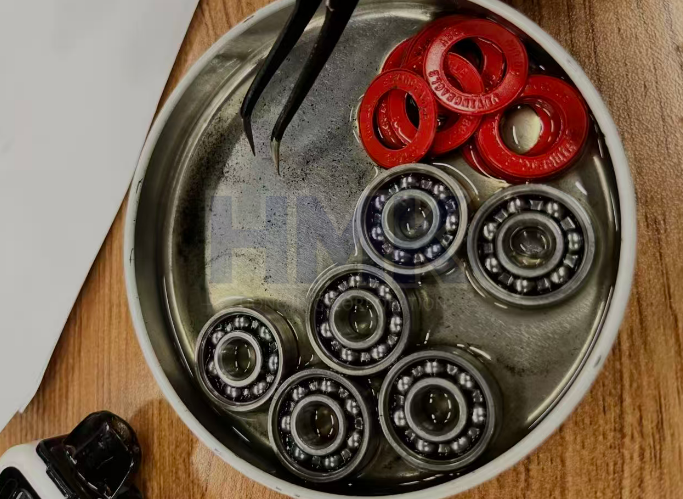
Abnormal noise and accelerated surface wear are the two most common bearing faults across all machinery sectors. Statistics show over 50% of premature bearing failures stem from neglected or incorrect daily maintenance, instead of raw material defects. Without consistent care, metal-to-metal friction erodes raceways and rolling elements, generating harsh squeaking, rattling or humming noise that signals upcoming breakdowns.
Proactive, standardized routine maintenance forms a low-cost, high-return solution to slow wear, suppress noise, stabilize equipment performance and cut long-term replacement costs. Below are 4 core actionable maintenance rules for all ball, roller and automotive bearings.
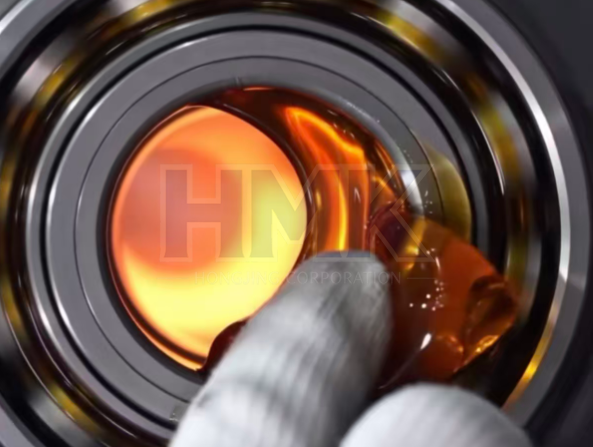
1. Scientific & Timely Lubrication – The #1 Anti-Wear, Noise-Reduction Step
Lubricant builds a protective oil film separating rolling elements and raceways, eliminating direct metal contact that causes both wear and vibration noise. Improper lubrication (insufficient, excessive or mismatched grease/oil) is the top trigger of loud bearing operation.
• Match lubricant to working conditions: Low-viscosity grease for high-speed light-load bearings; high-viscosity extreme-pressure grease for heavy-load machinery; waterproof anti-rust lubricant for humid, outdoor equipment.
• Control filling volume: Fill only 1/3–1/2 of bearing internal space. Over-greasing traps heat and amplifies running noise; under-lubrication breaks the protective film quickly.
• Follow fixed relubrication cycles: General equipment every 1–3 months; heavy-duty dusty machines every 2–4 weeks; replace lubricant immediately if it turns black, milky or mixed with metal debris.
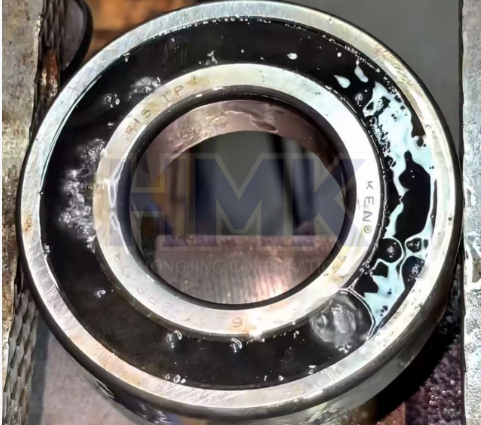
2. Strict Contamination Prevention & Regular Cleaning
Tiny dust, metal shavings and moisture are silent bearing abrasives. Even micro foreign particles grind into raceways during rotation, creating uneven surfaces that produce persistent irregular noise and permanent wear marks.
• Check bearing seals weekly: Replace damaged 2RS rubber seals or labyrinth seals to block dirt and water ingress. For dusty workshops, adopt shielded or fully sealed bearing models.
• Clean bearing housings during each maintenance cycle: Wipe away residual old grease and debris before refilling lubricant. Never operate bearings in uncovered, unprotected states for long periods.
• Avoid dirty installation tools or bare hand contact during disassembly and inspection to prevent rust and particle pollution.
3. Routine Running Condition Monitoring (Spot Faults Early)
Set fixed inspection frequencies to catch wear and noise signals before permanent damage occurs:
• Critical production equipment: Weekly check; general machinery: Monthly inspection; idle standby machines: Quarterly review.
• Monitor three key indicators:
Noise: Squeaks = insufficient lubrication; rattling = foreign contaminants or surface peeling; constant humming = shaft misalignment or overloading.
Temperature: Normal operating range 40–60°C; sustained over 70°C indicates friction overload and accelerating wear.
Vibration: Rising vibration amplitude signals worn rolling elements or loose fit clearance.
• Realign misaligned shafts and adjust preload timely if abnormal vibration or noise appears, to stop unilateral wear from worsening.
Improper disassembly (hammer striking, uneven pressing) creates indentations (Brinelling) that cause permanent noise and uneven wear.
• Use hydraulic presses or dedicated pullers for bearing removal; never hit bearing rings directly.
• During overhaul, inspect raceways, balls and rollers for flaking, scratches, rust or pitting. Replace bearings at the first sign of surface damage, as worn components cannot recover quiet, low-friction operation.
• Confirm shaft and housing fit tolerance during reinstallation: Too loose fit leads to sliding wear; excessive preload causes overheating and loud running noise.
Conclusion
Consistent regular maintenance solves the root causes of bearing wear and noise: insufficient lubrication, contamination, misalignment and unaddressed minor damage. By implementing the above lubrication, sealing, monitoring and disassembly standards, manufacturers and equipment operators can extend bearing service life by 30%–60%, lower running noise significantly, and drastically reduce unplanned production downtime.
If you need custom high-precision, low-noise bearings for your machinery, contact our team for professional selection and technical support.
Looking for low-friction, long-life industrial bearings?
Browse our full range of deep groove ball bearings, cylindrical roller bearings and automotive wheel bearings, with full technical maintenance support for global clients.
Contact: Yolanda
Phone: +86-15358997067
E-mail: yolanda@hongjingmetal.com
Add: No.88, Qianyao Road, Binhu District, Wuxi, China
LiveChatclose
 Send Email
 Skype
Skype WhatsApp